
Pump to Pantry: Gas Price Swings Hit Grocery Costs
By Camryn Bowden, Alexa D'Amato and Isaac Brendel
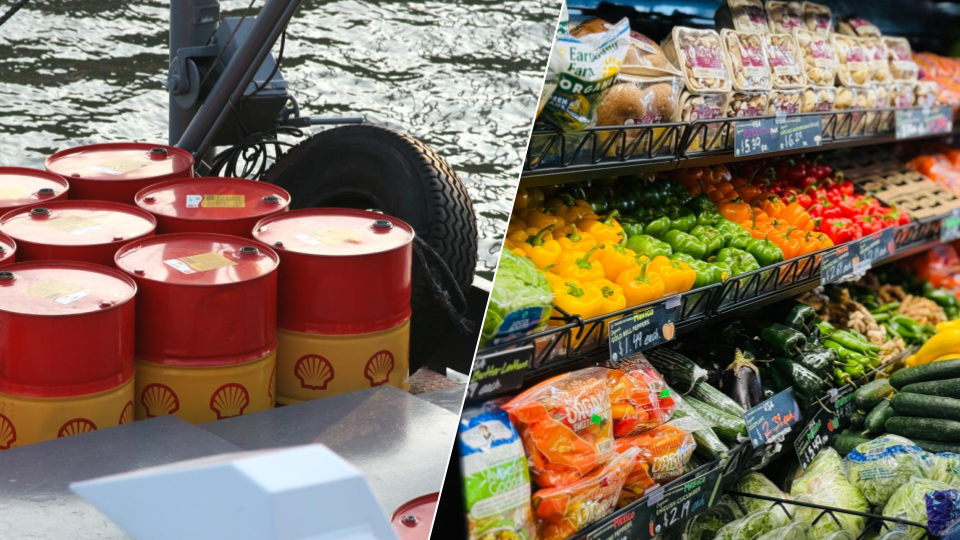

In late February, the United States began its aerial bombardment of strategic targets in Iran, and the world economy quickly reacted.
In a matter of days, gasoline and crude oil prices skyrocketed.
The World Economic Forum reports that Iran produces approximately 12% of the world’s oil. Following the initial strikes by the U.S. and Israel, Iran closed the Strait of Hormuz, a vital waterway that sees 20 million barrels of oil move through it per day. This is around 25% of the world’s seaborne oil trading.
Since the closing of the strait, and generally the start of the conflict, the average price for a gallon of gas has increased by 58%, and the cost of a barrel of crude oil has risen almost 52%.
“Historically, the US economy was much more based in manufacturing, and energy is an important cost for these businesses. Higher energy costs reduce profitability and consumer spending, which would hurt manufacturing,” Asher Rogovy, the Chief Investment Officer at Magnifina, said.
Many of these industries and companies, however, have seen little repercussions since the start of the War. For the major stock market indices, they have almost returned to pre-war levels. The Dow Jones Industrial, for example, has grown 0.65% since February 27.
“This is likely because the US is a net energy exporter, and higher prices support higher domestic production,” said Rogovy. “It is simply easier for our businesses to continue than for countries who import most of their energy.”
Despite the fact that the U.S. produces an excess of energy, transportation and agriculture are industries that require higher amounts of oil and gasoline, and have been affected by the recent volatility in pricing.
While the cost impact is much lower in the U.S. compared to the rest of the world, grocers and U.S. consumers have broadly still seen some kind of effect on their monthly bills.
The Grocers
It’s no secret that shoppers have seen the sticker prices of certain goods increase over the past two months. Wholesalers and transportation companies have had to raise prices on some produce items because of rising oil and gas costs, and consumers have had to pay more as a result.
Recently rebranded, Pathmark of East Meadow (formerly Foodtown of East Meadow) has seen a change in their wholesaler and vendor purchase cost. Grocery manager Charles, who could not give his last name because of store policy, explained the reason for the rebrand.
“We changed from another company to Pathmark to get better pricing,” he said. “We’re also cutting our margins lower to help the consumer across the store.”
The increase in prices has not been a welcomed change for Pathmark. To help shoppers keep their costs down, Pathmark has had to sacrifice their own profits. Despite their best efforts, Charles acknowledged that some consumers may not see Pathmark’s efforts.
“It’s been a crazy year,” he said. “Customers are being beat up all the time, so they don’t see the big difference.”
However, some of Pathmark’s products have seen a decrease in price since January 2026. Surprising to most shoppers: the price of eggs has decreased.
On the other side, imported meats, cheeses, and other products have increased. Between European tariffs changing and the increased cost of transportation, it’s become more difficult for American grocery stores to get international goods onto their shelves.
“Imported goods you can’t touch,” Charles said. “Olive oil has gone through the roof, that’s a stable item that people use. Imported specialty items, people can’t buy that anymore.”
Pathmark’s prices , and most other grocery stores’ prices, are determined by the price of their wholesaler or other distributor. When wholesale prices go up, so do the grocery stores’.
“When you first work with a higher margin, it’s because you can do it, and then you have to lower your margins because the consumer is hurting,” Charles said. “You should be able to have extra merchandise and back it up without fuss into a stock room, but now we don’t have any more stock for them. It’s purchased from the vendor to the shelf.”

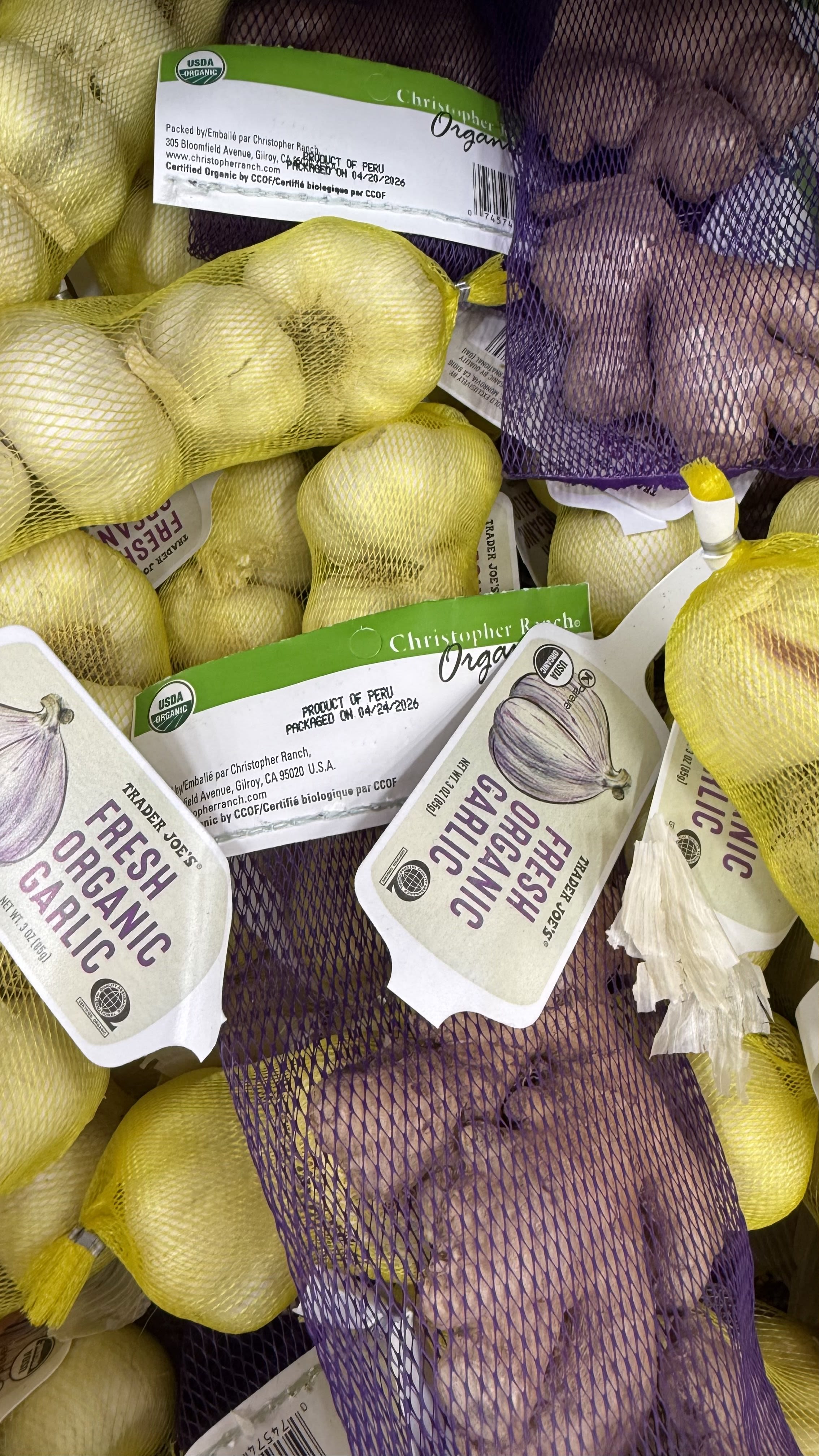
A sleeve of garlic like this has risen over 23% in price since February 27. / Photo credit to Henry Musa
A sleeve of garlic like this has risen over 23% in price since February 27. / Photo credit to Henry Musa
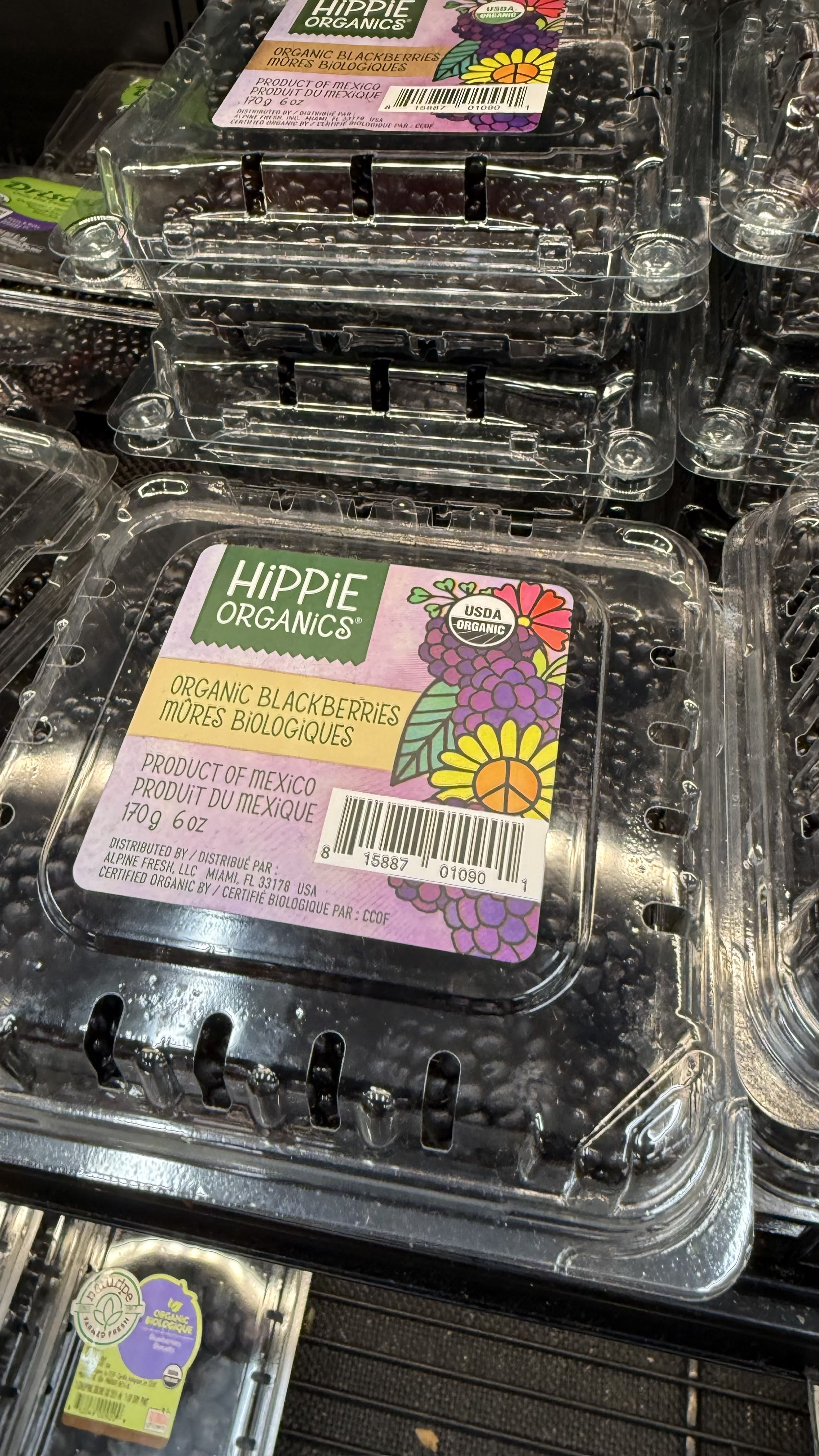
Blackberries have seen a small price increase since February 27, rising 0.44%. / Photo credit to Henry Musa
Blackberries have seen a small price increase since February 27, rising 0.44%. / Photo credit to Henry Musa
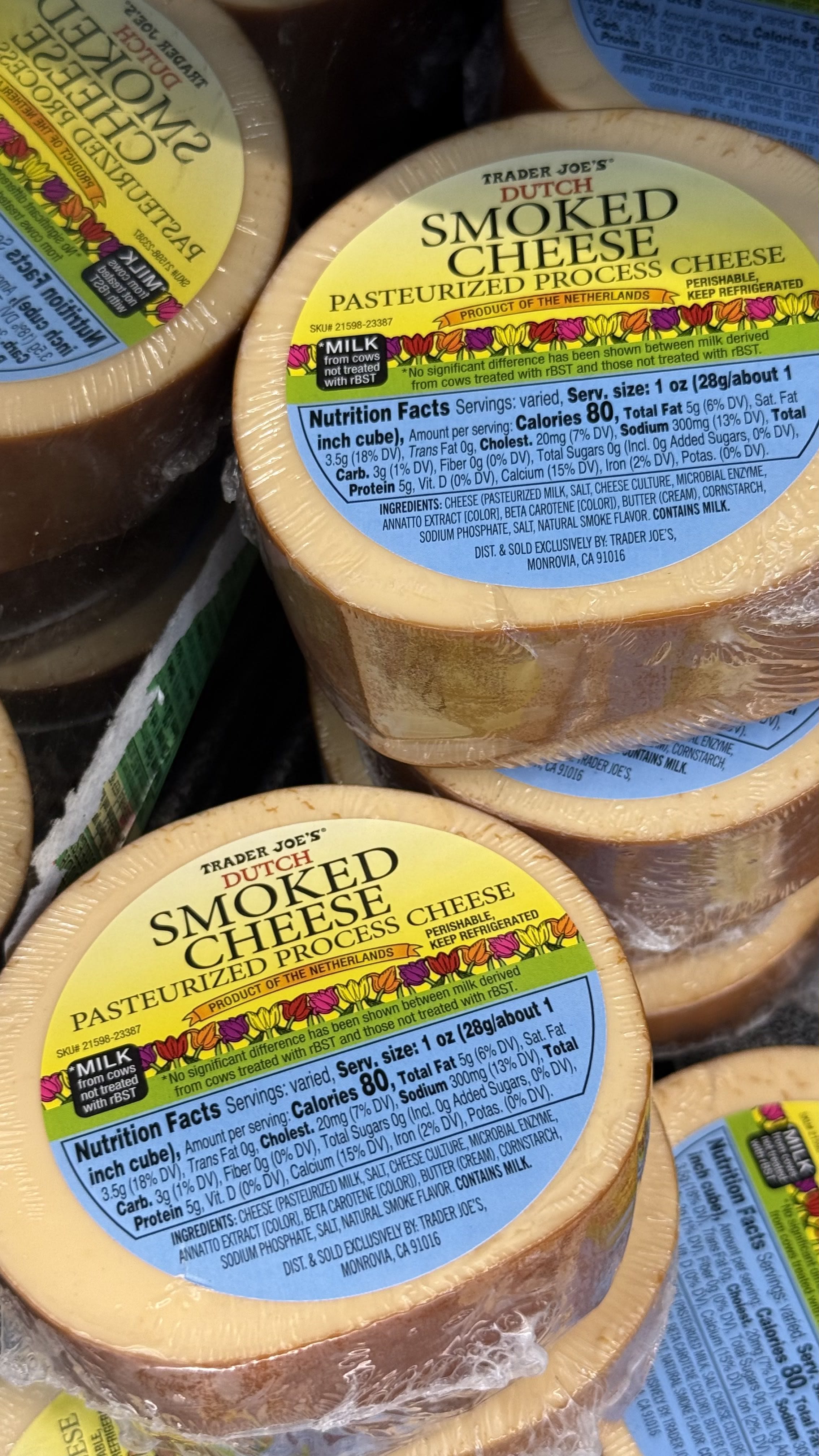
Grocery Manager Charles says that imported meats, cheeses and oils have been hit the hardest. / Photo credit to Henry Musa
Grocery Manager Charles says that imported meats, cheeses and oils have been hit the hardest. / Photo credit to Henry Musa

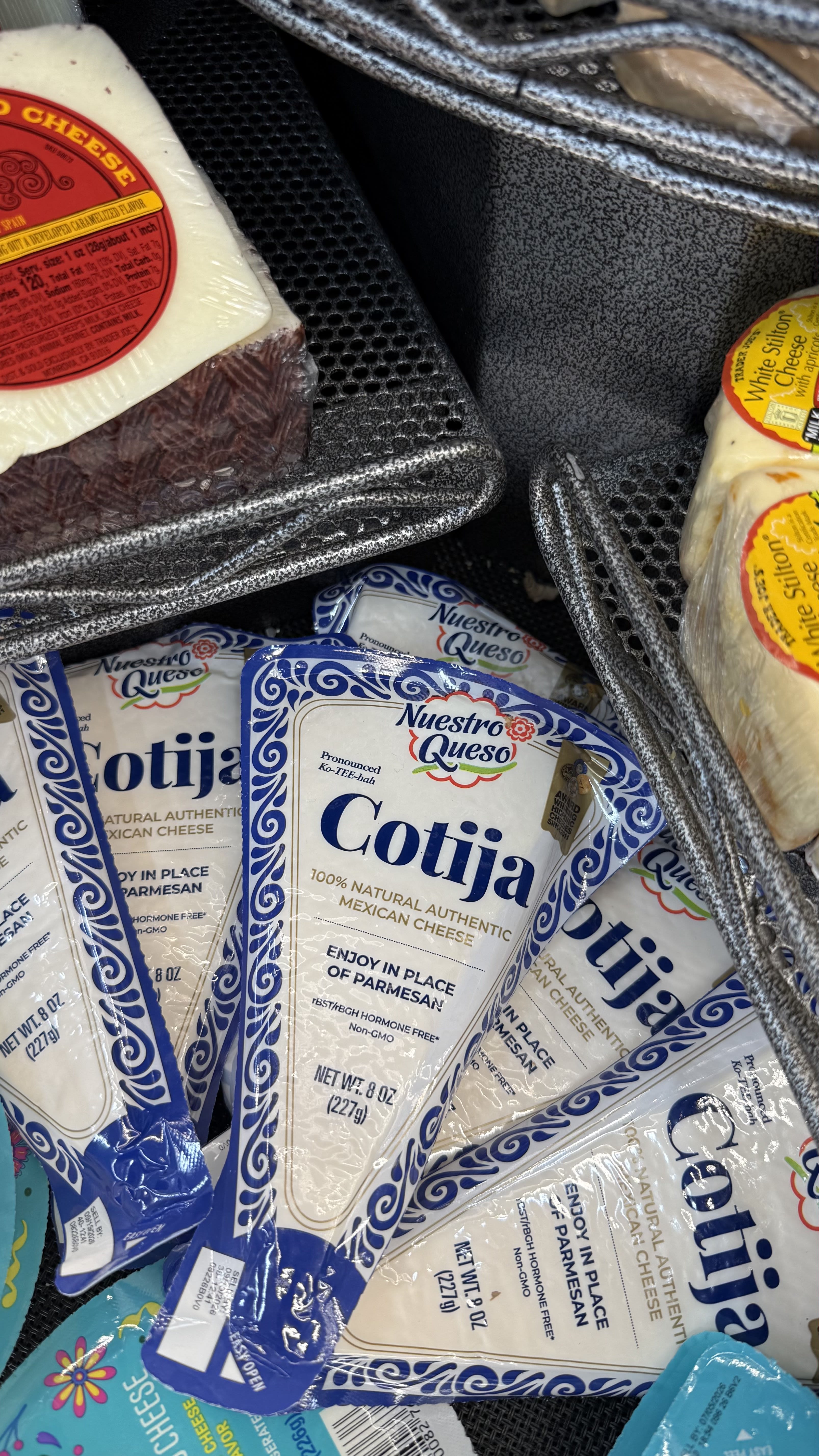
Grocery Manager Charles says that imported meats, cheeses and oils have been hit the hardest. / Photo credit to Henry Musa
Grocery Manager Charles says that imported meats, cheeses and oils have been hit the hardest. / Photo credit to Henry Musa
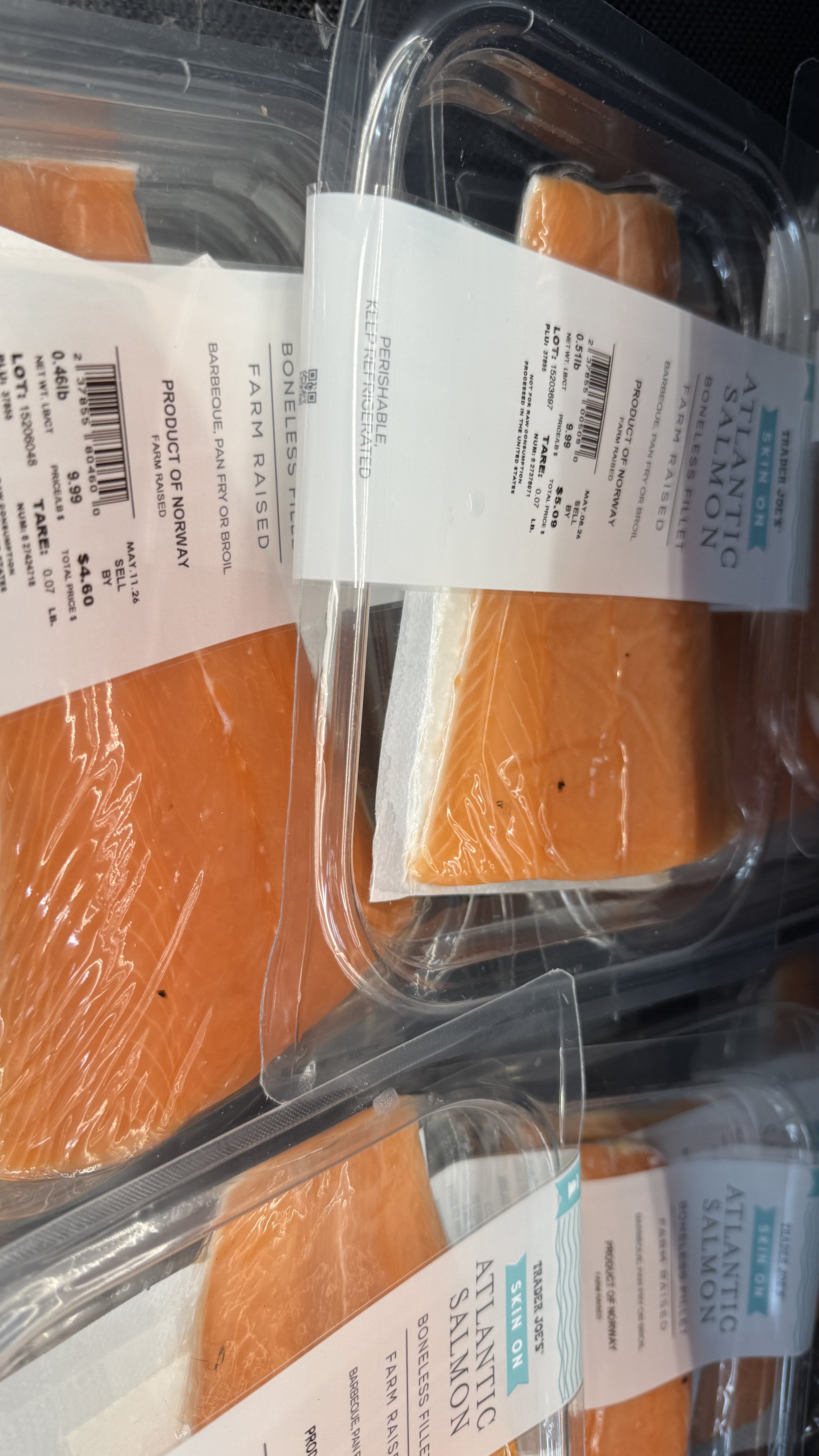
Importing fish, like meat and cheeses, has only cost more since the start of the war. / Photo credit to Henry Musa
Importing fish, like meat and cheeses, has only cost more since the start of the war. / Photo credit to Henry Musa
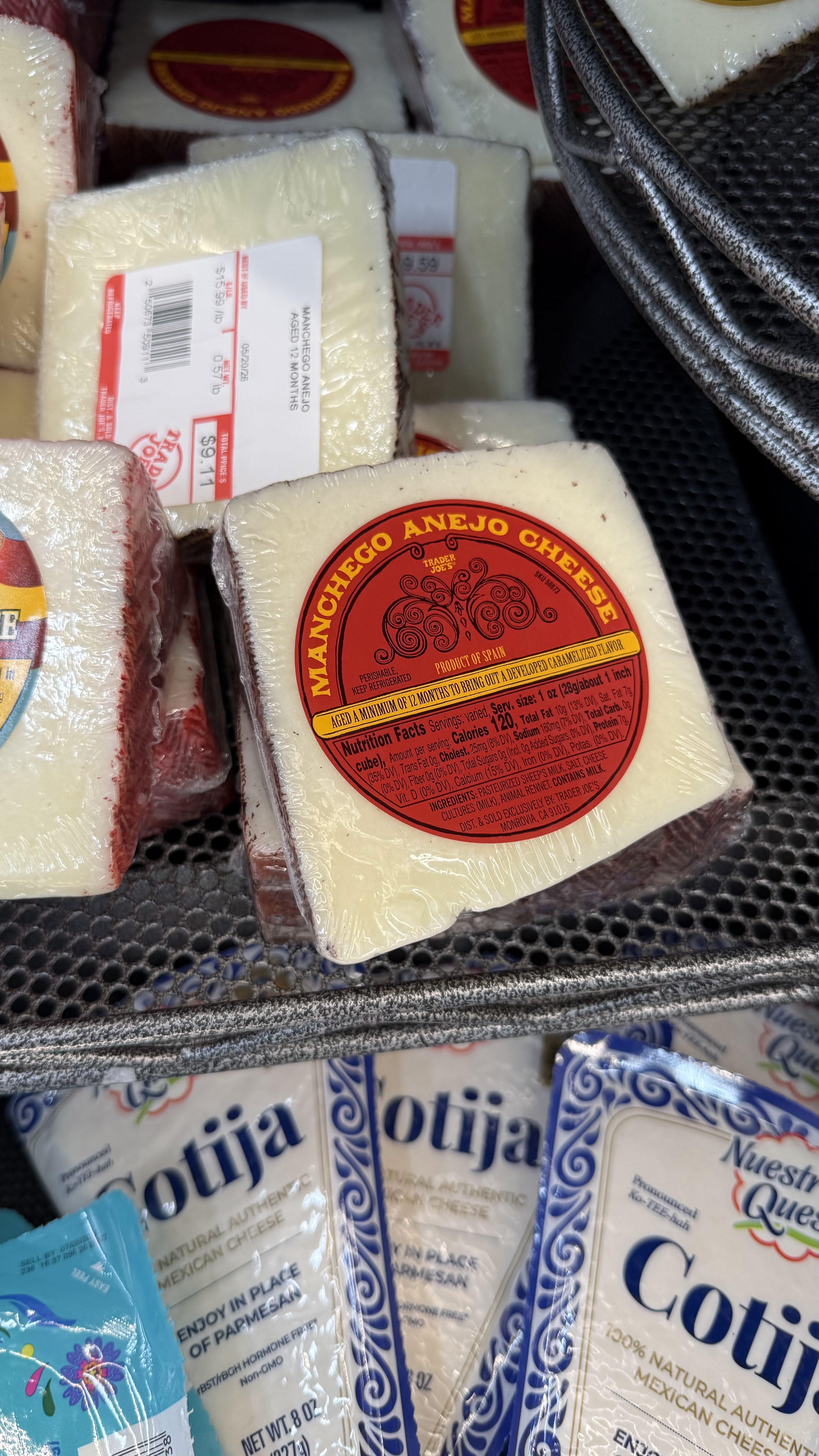
Grocery Manager Charles says that imported meats, cheeses and oils have been hit the hardest. / Photo credit to Henry Musa
Grocery Manager Charles says that imported meats, cheeses and oils have been hit the hardest. / Photo credit to Henry Musa

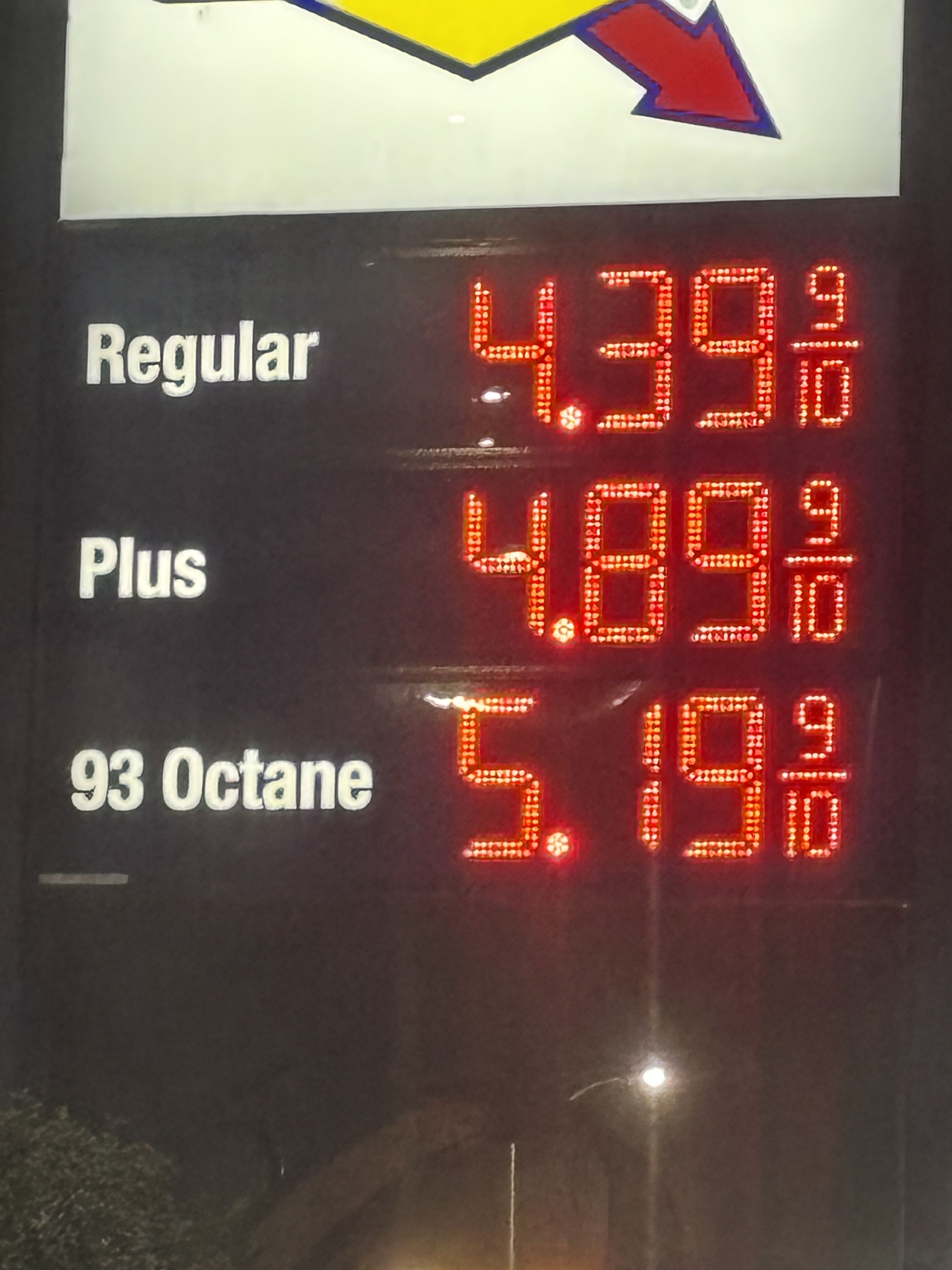
Nassau County has seen the average price for a gallon of gas increase 11.7% from last month, and over 47.9% from over a year ago.
Nassau County has seen the average price for a gallon of gas increase 11.7% from last month, and over 47.9% from over a year ago.
The Shoppers
Some consumers say that they are feeling the effects of the war at the grocery store as well.
“Everything is more expensive now. We are also avoiding takeout and are only eating at home now”, said Carol Swedlow, a Manhattan resident.
Swedlow is from New York City, which has seen an 13.4% increase in price per gallon of gasoline from a month ago, and a 49.2% increase from over a year ago, according to AAA.
Other consumers feel the same way, even if not directly connected to military action in Iran.
Kelly Posner, another New York shopper, said “I haven’t noticed one obvious war grocery-price jump, but the same basic costs do feel more expensive especially with things like meat and eggs. My guess is that if the war is affecting groceries, it’s probably indirect, through higher oil, shipping, and production costs.”
Those prices have, and experts predict will, continue to drive up the cost of groceries as the war progresses. Rising oil and transportation prices have driven up the price of almost all goods and services. In addition, roughly 30% of global fertilizer trade moves through the strait of Hormuz, and a fertilizer shortage threatens to lower crop yields and increase the cost of staples and produce.
Speaking of how customers are approaching the rising costs and uncertainty of pricing, Charles said “you know what people are doing? They buy everything that's on sale. If you have merchandise on sale, you're buying it. If they're not on sale, they'll go flyer to flyer.”
“They'll check more than one location, one company, another location, another company, and see what items are on sale to purchase. They're not sticking to the same product on a weekly basis,” Charles said.
 Built with Shorthand